|
Level 5
GD&T -
Tolerancing Optimization & Analysis
Course Outline
|
|
Course Objective
|
To apply tolerancing optimization techniques using multiple
analytical methods to a wide variety of components and
sub-assemblies, from the very simple to the more complex
analysis.
|
|
Course Length |
2 Days (16-hours) |
|
What You Will Learn |
Tolerancing Optimization |
|
|
-
Create tolerance stack-up analysis for both plus/minus toleranced dimensions and geometric tolerances
-
Calculating boundaries using MMC, LMC and RFS Material Condition modifiers and apply transformation principles to different tolerancing scenarios to ensure optimal design intent
-
Analysis using single-segment and composite feature control frames using Position and Profile
|
|
|
Intermediate Concepts of Tolerance Analysis |
|
|
-
Derived inner and outer boundaries using floating and fixed fastener formulas
-
Create number charts for stack-up analysis using a variety of geometric tolerances, basic dimensions, resultant conditions, virtual conditions and plus and minus toleranced dimensions
-
Calculate the effects of angular stack-up contributors
-
Calculate minimum and maximum gaps for assemblies
-
Do stack-up analysis for floating and fixed fastener situations for various applications
-
Analysis and implications of different datum reference frames and implications of form errors in the analysis
|
|
|
Advanced Concepts of Tolerance Analysis |
|
|
|
|
Who Should Attend
|
Anyone with the responsibility of specifying, analyzing and
applying tolerances to mechanical components and assemblies,
tooling, equipment, fixtures or gages, or anyone requiring a
more thorough understanding of tolerancing optimization and
analysis. Specifiers and decision makers of engineering
requirements and specifications as well as specifiers of
manufacturing processes and measurement applications and anyone
doing statistical analysis of design, manufacturing or
measurement data. Engineers, designers, metrologists,
technicians, machinists, toolmakers, designers, senior
inspectors, senior technicians, statisticians and mechanical
engineers at all levels.
|
|
Prerequisites |
GD&T “Advanced Applications & Analysis.” An advanced
knowledge of GD&T is required to allow all participants to be
successful in learning tolerancing optimization and tolerance
analysis techniques. If not proficient in GD&T at an advanced
level it is strongly recommended that all individuals take or
retake the advanced course prior to the tolerancing optimization
and analysis course to ensure an optimum and proficient level of
understanding.
The
GD&T -
Tolerancing Optimization Course Outline
is available in PDF format.
|
|
|
Example Graphics from Course |
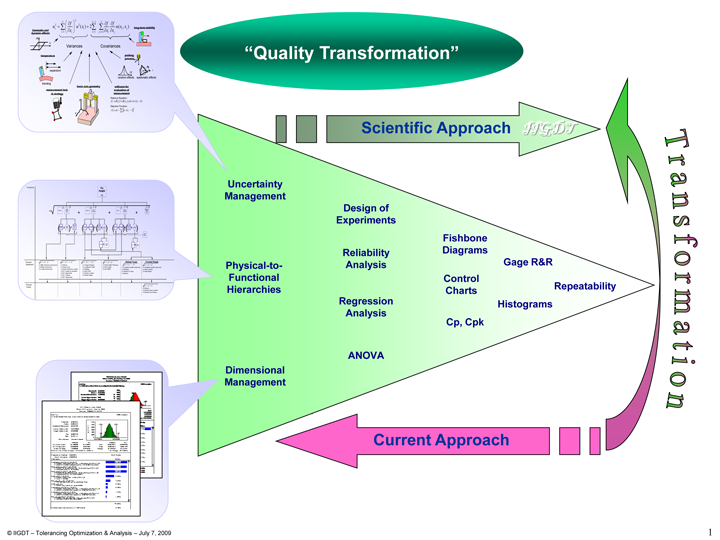
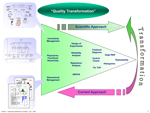
Quality Transformation |
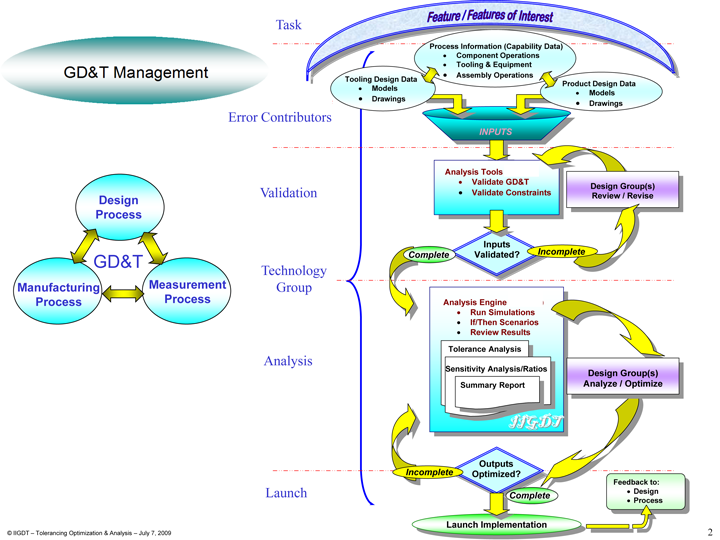
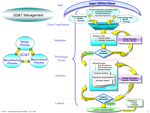
GD&T Management |
|
|
 |
 |
|
|
|
|
|
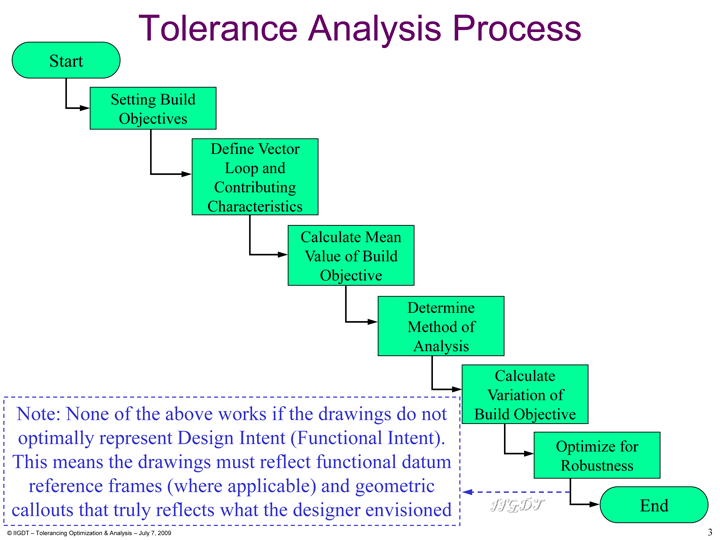
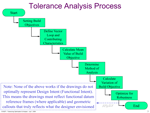
Tolerance Analysis Process |
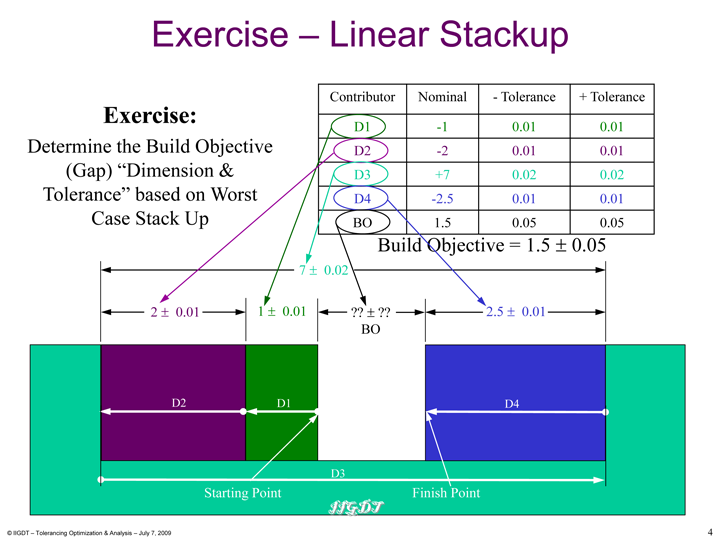
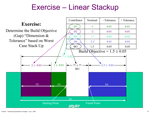
Exercise Linear Stackup |
|
|
 |
 |
|
|
|
|
|
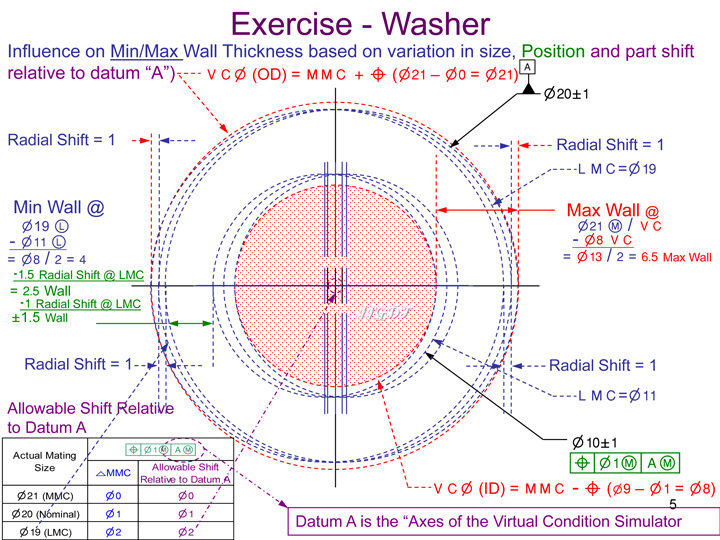
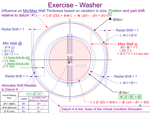
Washer Exercise |
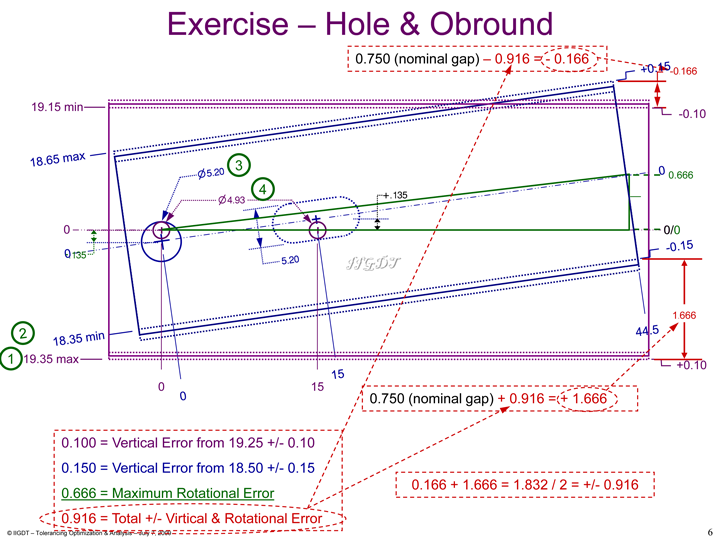
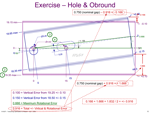
Exercise Hole & Obround |
|
|
 |
 |
|
|
|
|
|
Note :
 Click
on any image to zoom in. Click
on any image to zoom in. |
|